



Productive Coworking: Best Practices for Modern Workspaces
The Rise of Coworking Spaces
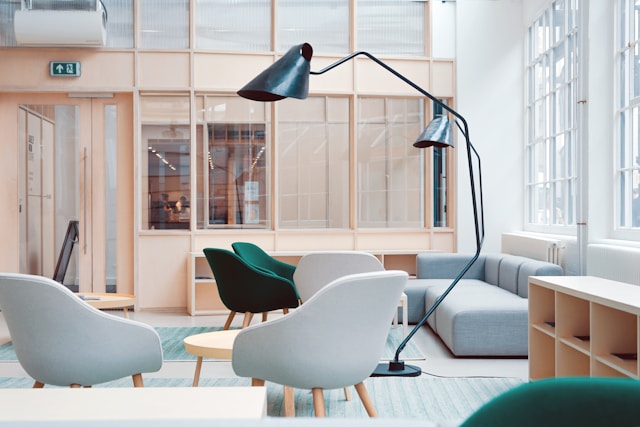
In the past decade, a notable transition from conventional office environments to coworking spaces has taken root, driven primarily by increased demand for flexible workspaces catering to many professional demands. Coworking spaces present an exciting opportunity for freelancers seeking community, startups searching for financial prudence, and even established enterprises wanting versatile workstations. These spaces go beyond providing a desk and chair; they cultivate an atmosphere ripe for creative fellowship and productivity, backed by ergonomic designs and state-of-the-art facilities. The benefits extend even further. Shared office spaces often feature unique designs that maximize social interaction and individual concentration. This hybrid model features open lounges alongside private booths or meeting rooms, accommodating diverse working styles. The growth of coworking spaces is particularly significant as companies recognize the value of reducing overhead costs while fostering an engaging and innovative work environment.
The concept of coworking has revolutionized the workspace paradigm, altering how individuals and companies perceive and utilize office spaces. These dynamic, flexible environments cater to many professionals, including freelancers, startups, and even well-established businesses, who seek innovative and cost-effective solutions for their workspace needs. For instance, facilities offering desk sharing Braintree MA, have cleverly merged community essence with functionality, attracting professionals from diverse fields and fostering collaboration and innovation under one roof. In today’s rapidly advancing digital landscape, the modern coworking scene boasts a vibrant appeal marked by adaptability and inclusivity. Transitioning from traditional office setups to such collaborative spaces is inevitable and advantageous. By leveraging the flexibility of coworking environments, individuals are offered a chance to network, collaborate, and focus, leading to enhanced productivity and creativity. But what makes these spaces so appealing, and how can they be optimized for maximum potential?
Innovative Trends in Coworking
As industries and workforce needs change, coworking spaces increasingly integrate innovative trends such as sustainable design and flexible leasing agreements into their models. Employing eco-friendly materials and a solid commitment to reducing carbon footprints have become top priorities for many contemporary spaces. A notable trend in the coworking industry is fostering a strong sense of community and ongoing networking among members, allowing professionals from various backgrounds to exchange ideas and collaborate on projects. Digital tools have become central to maximizing the utility and efficiency of these shared environments. Platforms that support seamless collaboration, task management, and remote communication are indispensable. To gain a broader understanding of how these coworking trends are evolving and impacting current work cultures, it is beneficial to explore detailed insights from industry leaders and experts.
The Role of Technology in Coworking Spaces
Technology is at the forefront of transforming coworking spaces into innovative and connected hubs. High-speed internet, smart tools, and Internet of Things (IoT) devices are just a few technological advancements enhancing coworking environments. These elements facilitate smoother operations within the workspace and create an exceptional user experience, enabling them to connect, collaborate, and conduct business seamlessly. Security is another vital aspect elevated by technology, undeniably crucial in protecting user data and intellectual property. Implementing cutting-edge cybersecurity measures is a shared responsibility that coworking spaces openly embrace. Innovations driven by technology persist in redefining coworking environments, enhancing their attractiveness, and broadening their reach.
Factors to Consider
Several critical factors must be considered when searching for the ideal coworking space. Proximity to public transport, dining options, and a vibrant local community can all significantly elevate one’s working experience. These aspects enhance convenience and cultivate a sense of belonging and ease.
Understanding the cost structures is also paramount. Evaluating the amenities offered to determine value for money is crucial for any long-term occupancy decision. A supportive environment, whether through childcare facilities or integrated wellness programs, can enhance productivity and satisfaction, making weighing these amenities against the overall costs imperative.
Benefits of Coworking for Personal and Professional Growth
Coworking is more than just providing a physical space—creating synergy between professional growth and personal well-being. Such environments encourage creativity and innovation, leveraging the collective strengths and diverse thinking of professionals from different sectors. This collaborative ethos inspires solutions and new approaches, invigorating individual and collective endeavors. By offering physical space configurations that support a flexible work-life balance, coworking spaces help maintain mental wellness and professional satisfaction. Where people from different fields intersect, unique mentorship and personal development opportunities beckon, adding invaluable layers to the coworking experience.
Challenges Faced by Coworking Spaces
Despite their numerous advantages, coworking spaces are full of challenges. One primary concern is facing intense competition to stand out in a burgeoning market. Maintaining secure and stable networks is crucial to ensuring user trust and protecting sensitive data. Coworking spaces also encounter the task of integrating diverse cultures and professional backgrounds. It is essential to create an environment that is both welcoming and inclusive, ensuring harmony and mutual respect among varying coworking inhabitants. As these challenges are addressed, coworking will continue to be refined, offering expanded opportunities for innovation and growth.
Real-Life Examples of Successful Coworking Spaces
Specific coworking spaces stand out for their unique designs and business models, showcasing the potential for success within this industry. These spaces often feature inviting and open layouts geared toward fostering collaboration while incorporating smart technological solutions that enhance user experience. The transformation and growth of numerous businesses can be attributed to the dynamic and conducive atmosphere that coworking spaces cultivate, proving their influential role in the professional realm.
Future Outlook: What’s Next for Coworking?
The future of coworking is teeming with potential as it gains momentum in the professional world. Hybrid models—those that combine remote and on-site work—are likely to rise in popularity, reflecting the evolving needs of a dynamic workforce. Moreover, global expansions into rural and underserved areas are predicted, driven by the accessibility and versatility that coworking spaces provide. The ascent of coworking spaces is poised to be a leading influence in redefining work culture and business strategy. These spaces will keep adjusting to the changing landscape to support a variety of professionals by offering physical workspaces and environments to boost professional goals.