




Why Illustrated Educational Books Are the Future of Learning
Key Takeaways
- Illustrated educational books combine visual and textual elements to enhance comprehension and engagement.
- They play a crucial role in developing literacy skills and fostering a love for reading from an early age.
- Incorporating illustrations in educational materials supports cognitive development and critical thinking.
- Advancements in technology have led to the creation of interactive and animated storybooks, further enriching the learning experience.
Table of Contents
- Introduction
- The Role of Illustrations in Learning
- Enhancing Literacy Through Illustrated Books
- Cognitive Benefits of Visual Learning
- Technological Advancements in Illustrated Educational Books
- Case Studies and Success Stories
- Practical Tips for Educators and Parents
- Conclusion
Introduction
Illustrated educational books hold a transformative power in nurturing curiosity and lifelong learning in young and adult readers alike. By integrating vibrant visuals with compelling narratives, these books offer an immersive experience that engages even the most reluctant learners. Their unique blend of words and images not only aids in understanding new ideas but also sparks imagination and joy in the discovery process. Parents and educators recognize their potential in shaping early learning habits and making education an engaging adventure. For example, the Lion President children’s book uses captivating artwork alongside storytelling to foster both comprehension and creativity in young readers.
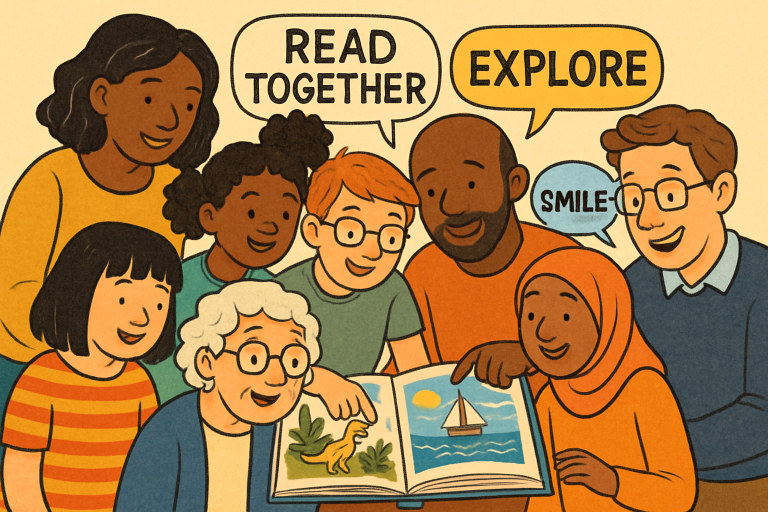
The charm and value of illustrated educational books extend far beyond the early childhood years. They adapt to different learning styles and abilities, turning complex subjects into manageable and enjoyable lessons. By visually breaking down challenging content, illustrations can bridge gaps for learners at various skill levels and cultural backgrounds, creating inclusive learning spaces where everyone has an opportunity to grow.
Educational publishers and literacy advocates have observed that books with strong visual components tend to be revisited more frequently, making the learning process feel less like a chore and more like a journey of inspiration. With interactive features now available through digital formats, readers can also engage with stories in entirely new ways, increasing understanding through tactile and auditory experiences in addition to visual and textual ones.
Studies show that the combination of text and illustration not only boosts memory retention but also supports language acquisition and emotional intelligence. Moreover, exploring books as a visual and textual experience helps readers of all ages form a more profound and lasting connection to the subjects they encounter.
The Role of Illustrations in Learning
Illustrations have long served as anchors for understanding in educational texts. Visual elements help ground abstract ideas, providing concrete references that make complicated topics easier to grasp. Research from Edutopia confirms that when information is delivered through multiple sensory channels, learners are more likely to internalize and recall it. Illustrations can depict processes, show relationships, or bring stories to life, supporting both comprehension and enjoyment.
In early childhood, imagery in books builds foundational recognition skills—connecting words to pictures turns new vocabulary into relatable concepts. As learners progress, illustrations continue to play a guiding role, scaffolding complex material such as scientific diagrams, timelines, or historical reconstructions.
Enhancing Literacy Through Illustrated Books
Literacy flourishes when learners are motivated and engaged, which illustrated books accomplish with ease. The blend of visuals and words encourages children to make connections and ask questions, enriching vocabulary and comprehension. According to the Scholastic Parents blog, discussing images in picture books can also improve inference skills and extend conversations around stories, leading to deeper learning.
Illustrated educational books are equally vital for struggling or reluctant readers. The visual cues help decode challenging language, while the engaging artwork maintains interest. For older students or multilingual learners, side-by-side images and text offer context clues that strengthen reading confidence and fluency.
Cognitive Benefits of Visual Learning
Visual learning is central to the way our brains process and store information, making illustrations powerful cognitive tools. Illustrated books exercise both hemispheres of the brain, strengthening neural pathways linked to memory, synthesis, and analysis. By visually mapping out cause and effect or story sequencing, these books foster critical thinking—a skill that benefits learners throughout their lives.
Artwork also supports emotional intelligence by providing visual cues about characters’ feelings or social dynamics. For example, books that incorporate expressive illustrations can help children recognize and label emotions, facilitating self-awareness and empathy. As highlighted by The New York Times, visual storytelling can enhance both emotional learning and cognitive growth.
Technological Advancements in Illustrated Educational Books
Technology has revolutionized illustrated educational books, opening doors to interactive and animated forms that captivate today’s digital learners. Digital platforms, such as online libraries, apps, and enhanced e-books, incorporate animations, sound effects, and narration to facilitate multisensory engagement. Animated storybooks and augmented reality features encourage deeper engagement, as readers manipulate images or interact directly with story elements.
These advancements democratize access by providing diverse options for learners with different needs or abilities. Children with learning differences, for example, can benefit from features such as highlighted text or audio support, broadening the reach and impact of educational content worldwide.
Case Studies and Success Stories
Across the globe, illustrated educational books have changed learning trajectories for countless students. Initiatives like the African Storybook have provided access to hundreds of children’s picture books in multiple languages, breaking barriers to literacy in underserved communities. Open-source projects and nonprofit publishers ensure that even remote or low-resource schools can deliver engaging, culturally relevant stories to their students.
Success stories also abound in classrooms where teachers use illustrated books as springboards for creative projects or cross-curricular activities. By encouraging students to create their own illustrated books, educators see boosts in creativity, self-expression, and academic achievement.
Practical Tips for Educators and Parents
- Curate a diverse selection of illustrated books that reflect different cultures, ages, and interests to expand learners’ horizons.
- Ask open-ended questions about the illustrations—what do they notice, what might happen next, how do characters feel?
- Leverage digital resources for interactive or read-aloud experiences, particularly for reluctant or emerging readers.
- Encourage children to illustrate their own stories, which nurtures creativity, reinforces learning, and builds confidence.
Conclusion
Illustrated educational books remain pivotal in nurturing a culture of lifelong learning. Their seamless integration of visual and textual elements transforms the act of reading and learning into a multisensory, inclusive, and delightful experience. As technology continues to drive innovation in educational publishing, these captivating resources are well-positioned to inspire generations of learners worldwide.