



Designing the Perfect Kitchen: Trends and Tips
Table of Contents
- The Importance of Kitchen Design
- Latest Kitchen Trends
- Essential Elements of a Functional Kitchen
- Choosing the Right Materials
- Maximizing Small Spaces
- Smart Technology in Kitchens
- Sustainability and Eco-Friendly Options
- Practical Tips for Budget-Friendly Renovations
The Importance of Kitchen Design
A kitchen isn’t just a place where meals are prepared; it’s the heart of the home, impacting lifestyles and family dynamics. Proper kitchen design can elevate the cooking experience, making it more enjoyable and efficient. Whether considering a complete renovation or simply upgrading with dishwasher installation Maryland solutions, it’s essential to balance functionality with beauty. A well-designed kitchen should cater to the needs of the household, from meal prep to casual dining and even social gatherings.
Research indicates that a well-designed kitchen can significantly increase a home’s value. According to a study by the National Association of Realtors, kitchen renovations yield one of the highest returns on investment. Homeowners often prioritize kitchen spaces during home improvement projects due to their central role in daily living. You can make sure that your kitchen becomes a seamless extension of your lifestyle by carefully planning and arranging it.
Latest Kitchen Trends
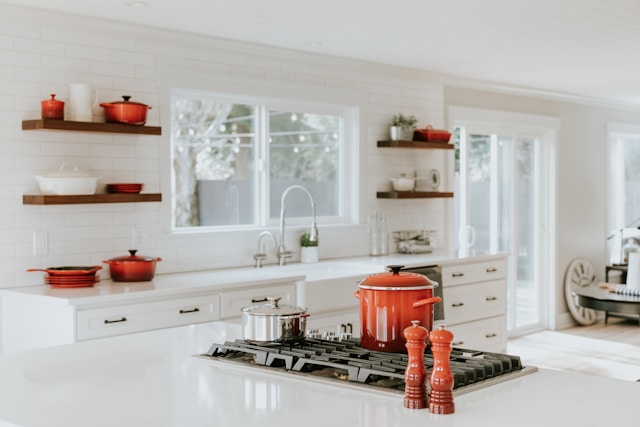
Following the most recent developments in kitchen design can provide creative design solutions that combine form and function. Open shelving has become increasingly popular, as it provides easy access to everyday items while displaying personal style through curated arrangements of dishware and decorative pieces. Bold color palettes like deep blues and rich greens are also making a splash in modern kitchens, creating vibrant and inviting spaces. Smart appliances are now considered essential in today’s tech-savvy homes, offering features such as remote operation, energy efficiency, and enhanced safety.
For those interested in recent trends, HGTV’s decorating trends provide a comprehensive overview. Additionally, integrating elements like oversized islands and custom pantry designs can maximize both style and utility, making everyday cooking and entertaining more enjoyable.
Essential Elements of a Functional Kitchen
A kitchen’s layout is fundamental to its functionality. The work triangle, which connects the sink, stove, and refrigerator, is a classic design principle that enhances workflow efficiency and minimizes unnecessary movement. Incorporating ample counter space is essential for meal prep and cooking, while accessible storage solutions such as pull-out pantry shelves and deep drawers ensure everything has its place.
Lighting is another crucial element; task lighting under cabinets and ambient lighting through pendant lights can significantly improve visibility and create a warm atmosphere. Furthermore, incorporating areas for trash and recycling, as well as designated spots for small appliances, can keep the kitchen organized and clutter-free.
Choosing the Right Materials
The materials chosen for a kitchen can determine its durability and style. For countertops, options like granite, quartz, and marble are popular for their durability and aesthetic appeal. Granite offers a timeless look with its natural beauty and resistance to scratches and heat. Quartz is highly durable and low-maintenance, making it an excellent choice for busy households. Marble adds elegance but requires more maintenance due to its porous nature.
Cabinets made from hardwoods such as oak or maple offer longevity and a timeless look that can complement various design styles. When considering flooring materials, options including tile and hardwood should be selected based on their ability to withstand heavy foot traffic and spills. Tile is durable and available in various designs, while hardwood provides warmth and can be refinished to maintain its appearance over time.
Maximizing Small Spaces
Urban living often means dealing with smaller kitchen spaces. However, with a bit of creativity, even the tiniest kitchen can be transformed into a functional area. Multipurpose furniture, such as an island that doubles as a dining table, can save space while providing multiple functions. Vertical storage options, like tall cabinets and wall-mounted shelves, ensure that every inch is utilized efficiently, keeping the kitchen organized and clutter-free.
Sliding doors or pull-out counters are two great ways to optimize space without sacrificing convenience or design. The kitchen can appear larger by employing reflective surfaces and light hues, which will also make the room feel more airy and welcoming.
Smart Technology in Kitchens
The way we use our appliances and the kitchen area as a whole is being completely transformed by the incorporation of smart technologies. Smart refrigerators with touchscreens and internet connectivity allow users to manage grocery lists and recipes. Programmable ovens can be controlled remotely, ensuring perfectly cooked meals every time. Advanced lighting systems and smart plugs enhance convenience by allowing users to control devices with voice commands or smartphone apps.
Beyond just being convenient, smart technology also improves safety and energy efficiency. By integrating smart technology, homeowners can create a modern kitchen that is both functional and innovative.
Sustainability and Eco-Friendly Options
Eco-friendly kitchen designs are becoming increasingly important to homeowners who prioritize sustainability. Energy-efficient appliances, such as refrigerators and dishwashers with high Energy Star ratings, reduce utility costs and minimize environmental impact. Using recycled or sustainable materials for countertops and cabinets, like reclaimed wood or recycled glass, contributes to a greener kitchen while maintaining a stylish appearance.
Additionally, incorporating water-saving fixtures like low-flow faucets and energy-efficient lighting solutions can significantly decrease resource usage. By choosing eco-friendly options, homeowners can create a kitchen that is both beautiful and kind to the planet.
Practical Tips for Budget-Friendly Renovations
Renovating a kitchen on a budget requires careful planning and strategic choices. Prioritize essential upgrades such as adding more storage or improving lighting to address functionality and livability. DIY projects, like painting cabinets or installing new hardware, can refresh the space without breaking the bank. Opting for high-quality yet affordable materials ensures that the kitchen remains stylish and functional within the set budget.
Reusing existing materials where possible, such as refurbishing old cabinets or repurposing furniture, can add character and save costs. Moreover, sourcing materials from local suppliers or using second-hand items can reduce expenses and support the community. With thoughtful planning and creative approaches, a budget-friendly kitchen renovation can achieve stunning results.